
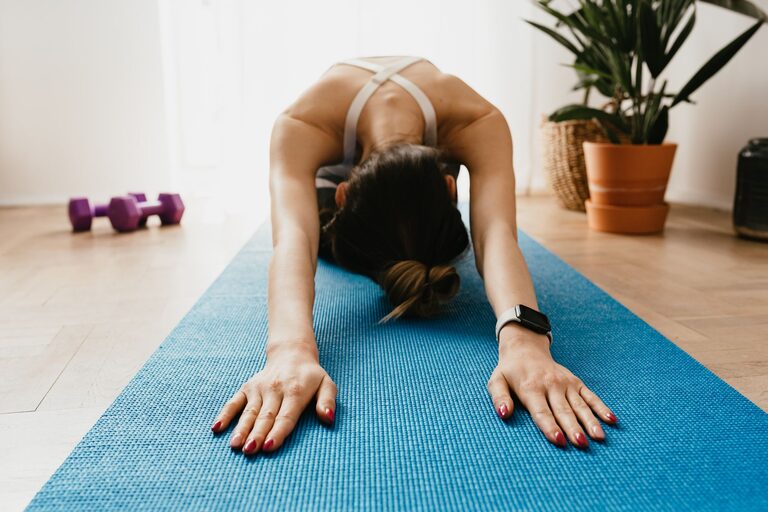
Stretching is a fantastic way to enhance your flexibility, improve circulation, and reduce muscle tension — all from the comfort of your own home. Whether you are new to exercise or just looking to add some gentle movement to your day, stretching can be a refreshing and accessible practice. This beginner’s guide will help you understand the benefits of stretching, offer tips for getting started, and provide easy-to-follow stretches you can try today.
Why Stretching Matters
Stretching helps lengthen muscles and tendons, which can improve your range of motion and reduce stiffness. When done regularly, it can:
– Enhance posture and reduce the risk of injury
– Decrease muscle soreness after physical activity
– Relieve stress and promote relaxation
– Improve blood flow and energy levels
Incorporating stretching into your daily routine can make everyday activities feel easier and more comfortable.
Getting Started: Tips for Safe Stretching at Home
Before you begin stretching, keep these simple guidelines in mind to ensure you get the most benefit without injury:
1. Warm Up First
Stretching cold muscles can cause strains. Take 5 to 10 minutes to warm up with light activity like walking or marching in place.
2. Move Gently
Stretch slowly and avoid bouncing or forcing your body into uncomfortable positions. Stretch to the point of gentle tension, not pain.
3. Hold Your Stretches
Aim to hold each stretch for 15 to 30 seconds, breathing deeply and relaxing into the position.
4. Focus on Major Muscle Groups
Pay attention to areas that feel tight or sore, such as your neck, shoulders, back, hips, and legs.
5. Breathe Steadily
Breathing deeply helps oxygenate your muscles and enhances relaxation. Inhale through your nose and exhale through your mouth as you stretch.
Basic Stretches for Beginners
Here are some easy stretches to incorporate into a daily routine. Remember to do each stretch on both sides and repeat as needed.
Neck Stretch
– Sit or stand tall.
– Gently tilt your head toward your right shoulder until you feel a stretch along the left side of your neck.
– Hold for 20 seconds, then switch sides.
Shoulder Roll
– Stand or sit with your arms relaxed at your sides.
– Slowly roll your shoulders forward in a circular motion 10 times, then reverse the direction.
Chest Opener
– Clasp your hands behind your back.
– Straighten your arms and gently lift your chest while squeezing your shoulder blades together.
– Hold for 20 seconds.
Seated Forward Fold
– Sit on the floor with your legs extended straight in front of you.
– Keeping your back straight, slowly reach toward your toes.
– Stop when you feel a stretch in your hamstrings, and hold the position for 30 seconds.
Cat-Cow Stretch (Spinal Mobility)
– Start on your hands and knees in a tabletop position.
– Inhale and arch your back, lifting your head and tailbone (Cow pose).
– Exhale and round your spine, tucking your chin to your chest (Cat pose).
– Repeat 5 to 10 times.
Hip Flexor Stretch
– Kneel on your right knee with your left foot in front, forming a 90-degree angle with the left knee.
– Shift your weight forward slightly until you feel a stretch in the front of your right hip.
– Hold for 20-30 seconds and switch sides.
Calf Stretch
– Stand facing a wall with your hands pressed against it.
– Step your right foot back, keeping it flat on the floor, and bend your left knee slightly.
– Lean into the wall until you feel a stretch in your right calf.
– Hold for 20 seconds and repeat on the other side.
Building a Routine That Works for You
Consistency is key when it comes to stretching. A routine that fits your lifestyle will be the easiest to stick with. Here are some ideas:
– Stretch for 10-15 minutes every morning to wake up your body.
– Use stretching as a relaxing break during work or after sitting for long periods.
– Combine stretching with other low-impact activities like walking or yoga.
– Keep a stretching mat or towel handy in a quiet space at home.
Helpful Tools and Accessories
You don’t need much to get started, but a few simple items can make stretching more comfortable:
– Yoga Mat: Provides a cushioned surface to sit or lie on.
– Stretching Strap or Towel: Helps deepen stretches, especially for hamstrings.
– Foam Roller: Can be used after stretching to massage muscles and improve tissue health.
When to Be Careful
While stretching is generally safe for most people, avoid stretches if you feel sharp pain or discomfort. If you have any existing injuries or health conditions, consult a healthcare professional before beginning a stretching program.
Final Thoughts
Stretching at home is a wonderful, low-cost way to improve your body’s flexibility, reduce muscle tension, and promote relaxation. By starting with gentle, consistent stretches and building a routine that fits your schedule, you’ll likely notice positive changes in how your body feels and moves. Remember to be patient and listen to your body — flexibility comes with time and consistent practice.
Give these stretches a try today and enjoy the benefits of a more flexible, relaxed you!