
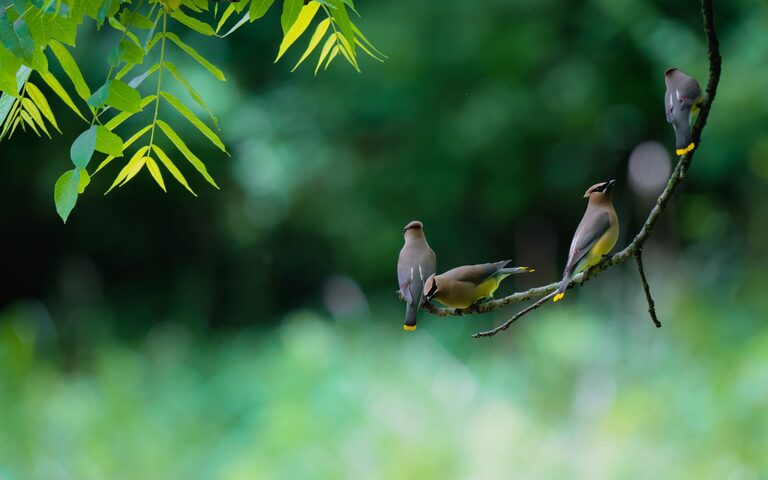
Birdwatching is a rewarding and relaxing hobby that anyone can enjoy, especially from the comfort of their own backyard. Whether you live in a bustling city or a quiet suburb, watching birds can connect you with nature and provide hours of entertainment. If you’re new to birdwatching, this guide offers beginner-friendly tips to help you get started, attract a variety of birds, and enhance your birdwatching experience.
Getting Started with Backyard Birdwatching
Choose the Right Spot
Find a quiet and comfortable area in your yard where birds are likely to visit. Near trees, shrubs, or a water source like a birdbath usually works well. Position yourself so you can observe birds without disturbing them.
Invest in Basic Birdwatching Tools
You don’t need expensive equipment to begin. A good pair of binoculars helps you see birds clearly from a distance. A bird identification book or a smartphone app can assist in learning about different species you might see.
Keep a Bird Journal
Recording your sightings is a fun way to track the kinds of birds visiting your backyard over time. Note the date, time, bird species, and any interesting behavior. This practice helps build your knowledge and appreciation.
Attracting Birds to Your Backyard
Provide Food
Food is the best way to attract birds. Different birds prefer different types of food, so offering a variety helps attract a wider range of species.
– Seeds and Grains: Black oil sunflower seeds are popular with many birds. Mixed seeds can attract sparrows, finches, and juncos.
– Nuts and Suet: Suet cakes provide energy, especially in cooler months, and attract woodpeckers and nuthatches.
– Fruit: Oranges, apples, and berries can bring in species like orioles and robins.
Use feeders appropriate for each type of food, such as tube feeders for seeds or platform feeders for fruit.
Provide Water
Birds need fresh water for drinking and bathing. A birdbath or shallow dish placed in a safe spot will encourage visits. Keep the water clean and change it regularly to prevent bacteria buildup.
Offer Shelter and Nesting Sites
Natural cover like shrubs, trees, and dense bushes offers birds protection from predators and harsh weather. Installing birdhouses can also invite nesting birds to your yard.
Maintain a Safe Environment
Avoid using pesticides or chemicals in your garden. These substances can harm birds and reduce the availability of insects that many birds feed on.
Observing Birds Respectfully and Effectively
Be Patient and Quiet
Birds may take time to trust your presence. Move slowly and keep noise to a minimum. Early morning or late afternoon are often the best times for active birdwatching.
Learn Bird Behavior
Watching how birds behave helps identify species and understand their habits. Notice feeding styles, flight patterns, and calls.
Use Field Guides and Apps
Books and apps can help you identify birds by size, color, shape, and song. Popular apps include Merlin Bird ID and Audubon Bird Guide, which allow you to input your location and characteristics for quick identification.
Join Local Birdwatching Groups
Connecting with experienced birdwatchers can enrich your learning experience. Local clubs often host outings and provide useful tips specific to your area.
Additional Tips for Enjoying Birdwatching
Create a Comfortable Viewing Area
Set up a chair or bench where you can relax and watch. Consider a spot with some shade for warmer days.
Photograph or Sketch Birds
If you enjoy photography or drawing, capturing images of birds can be a creative way to enhance your hobby. Just remember to respect their space.
Be Consistent
Birdwatching is most rewarding when done regularly. Frequent observations help you notice seasonal changes and new species.
Conclusion
Backyard birdwatching is an accessible and enjoyable way to explore the natural world without leaving home. By providing food, water, and shelter, and by practicing patience and observation, you can attract a variety of birds and develop a deeper appreciation for these wonderful creatures. Start with simple steps today, and soon your backyard could become a lively haven for birds and a peaceful retreat for you.
Happy birdwatching!